
?Why should we learn Revit
Revit is a crucial BIM technology for architects, streamlining design, documentation, and collaboration. Mastering it is essential for staying innovative and delivering sustainable designs for the future.”Unlock Revit expertise with our 8-course tutorial series—perfect for beginners with no prior background. Dive into architectural skills development effortlessly, mastering Revit’s capabilities from basics to advanced techniques. Start your journey to architectural excellence today!”
?What you will learn in Revit courses
Revit First Semester
- Learning from novice to pro
- Schedule in Revit
- Phase two Revit
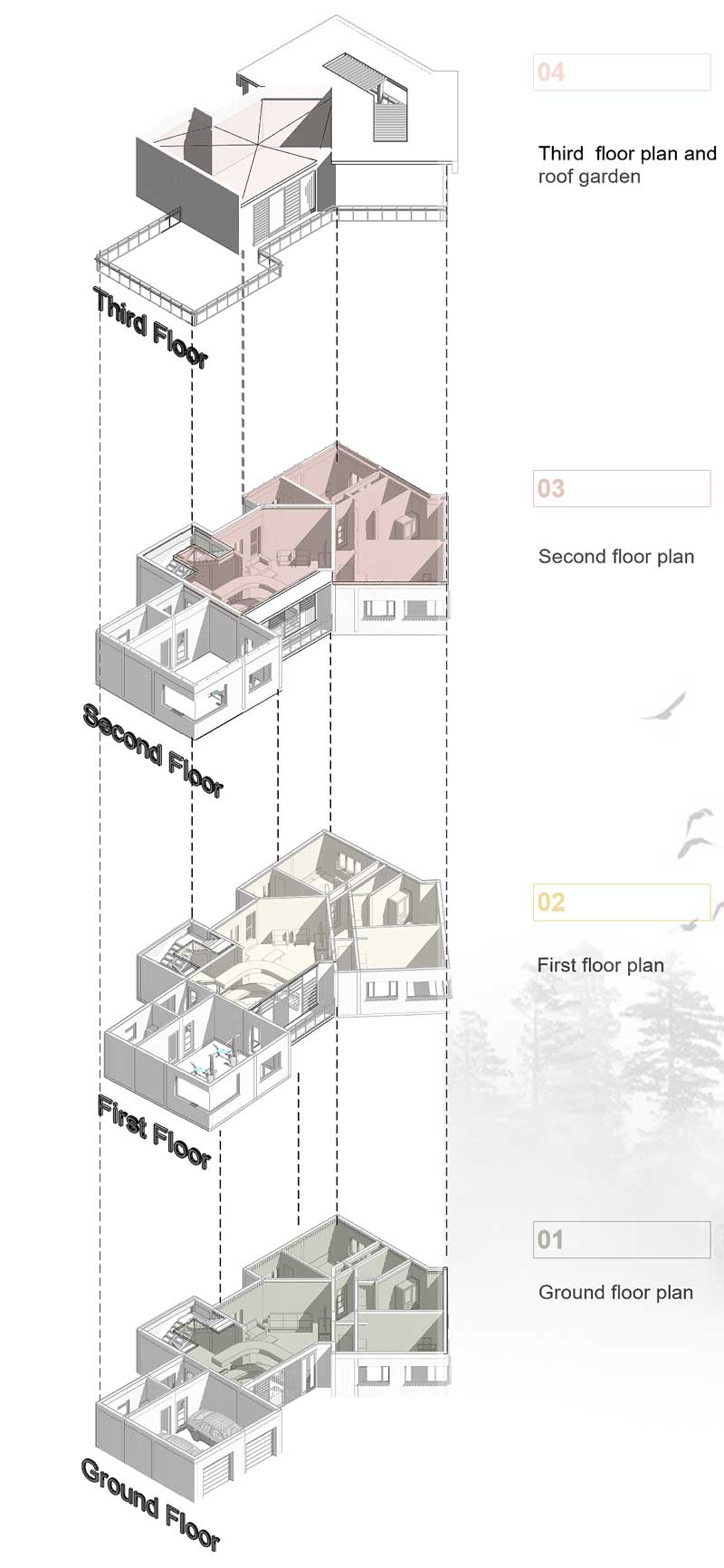
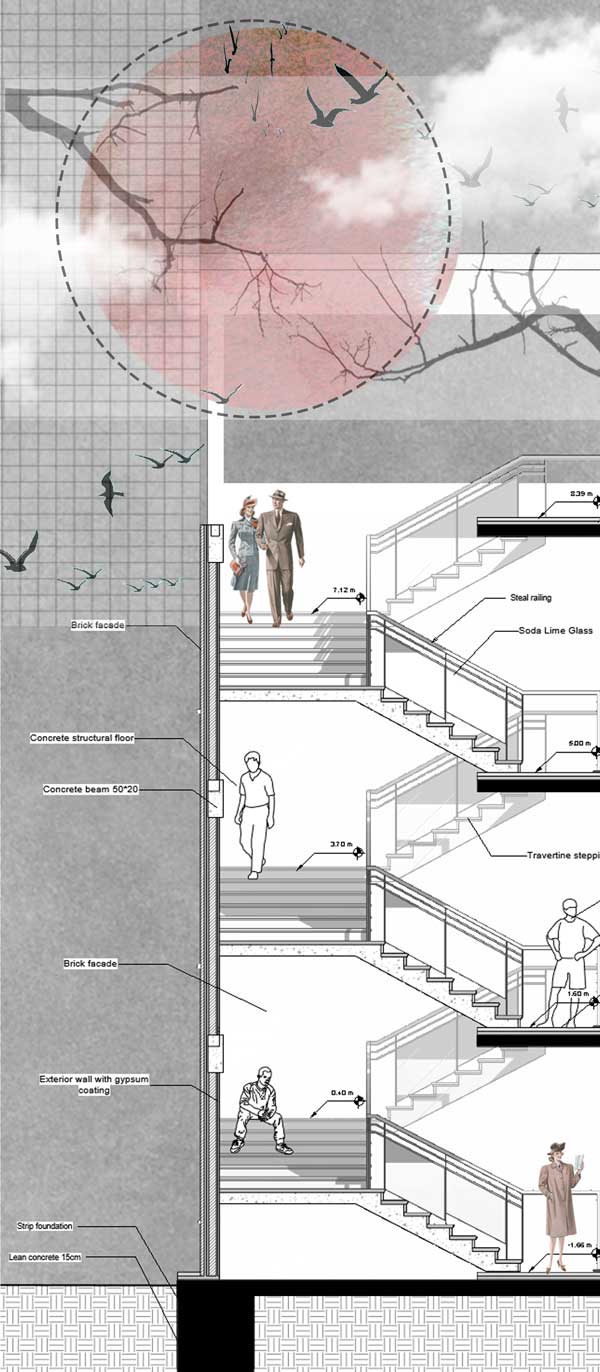
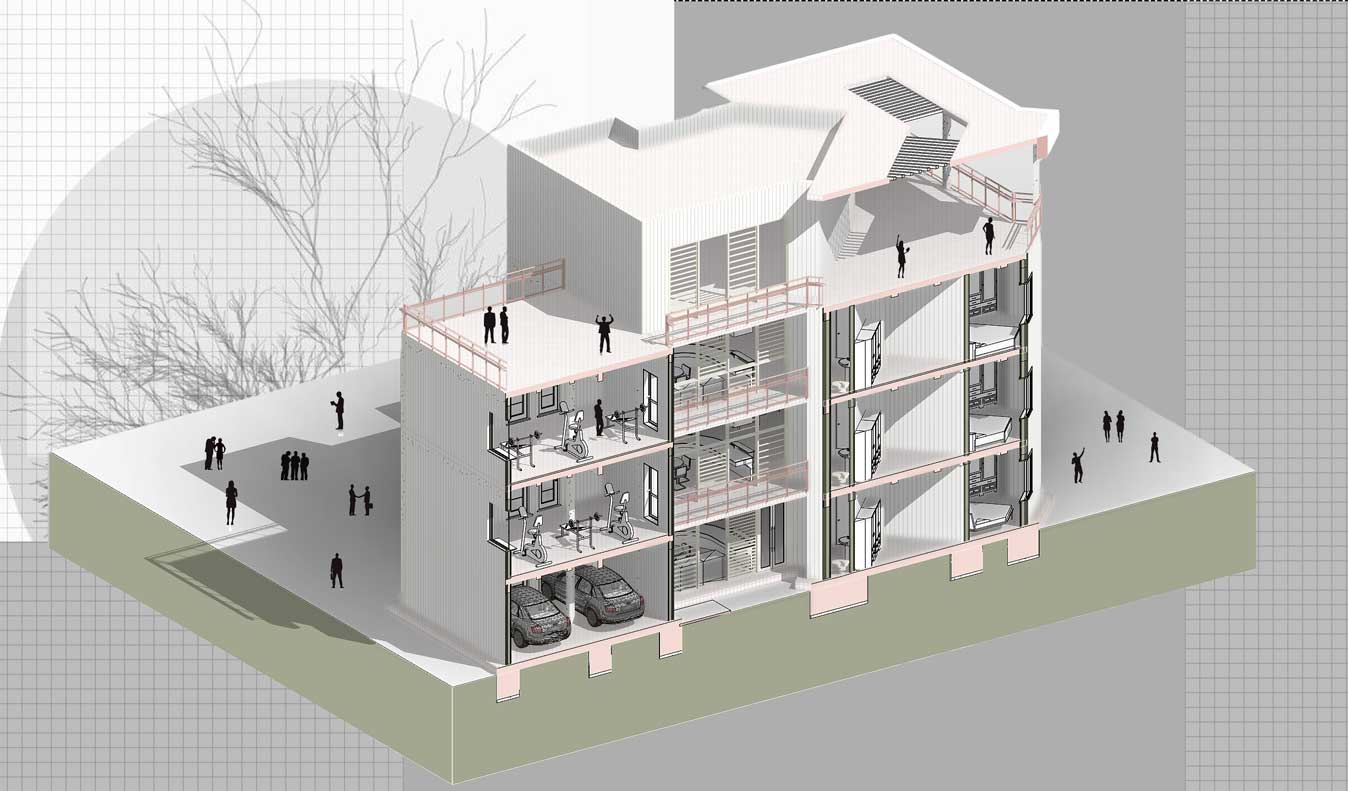
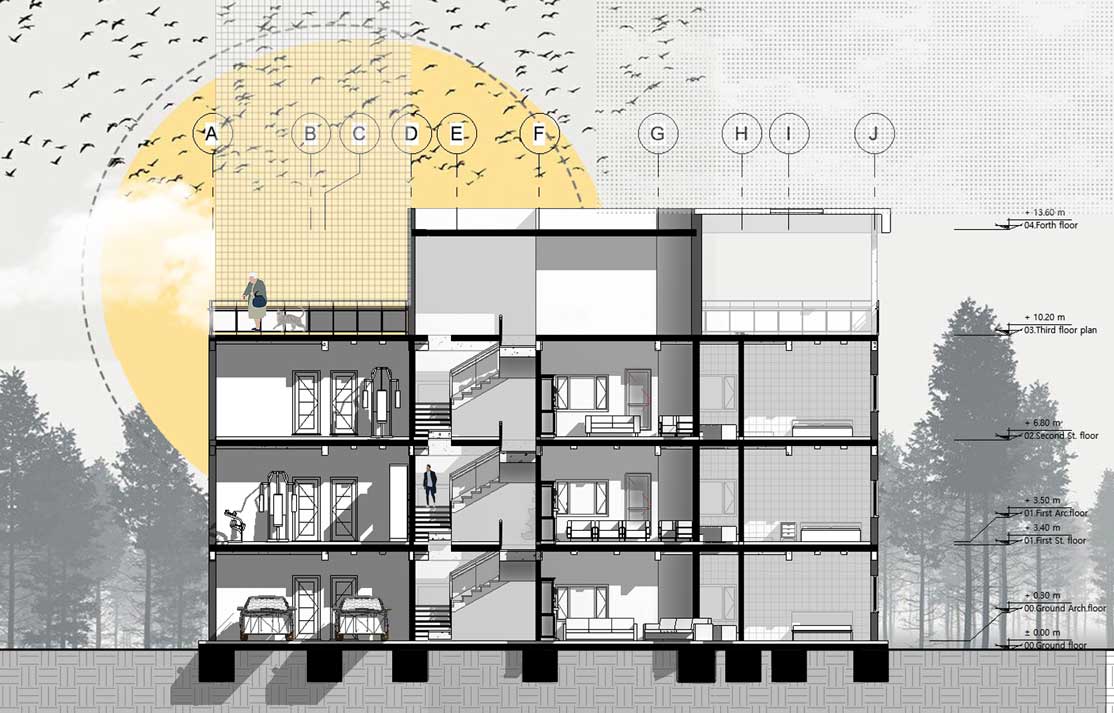
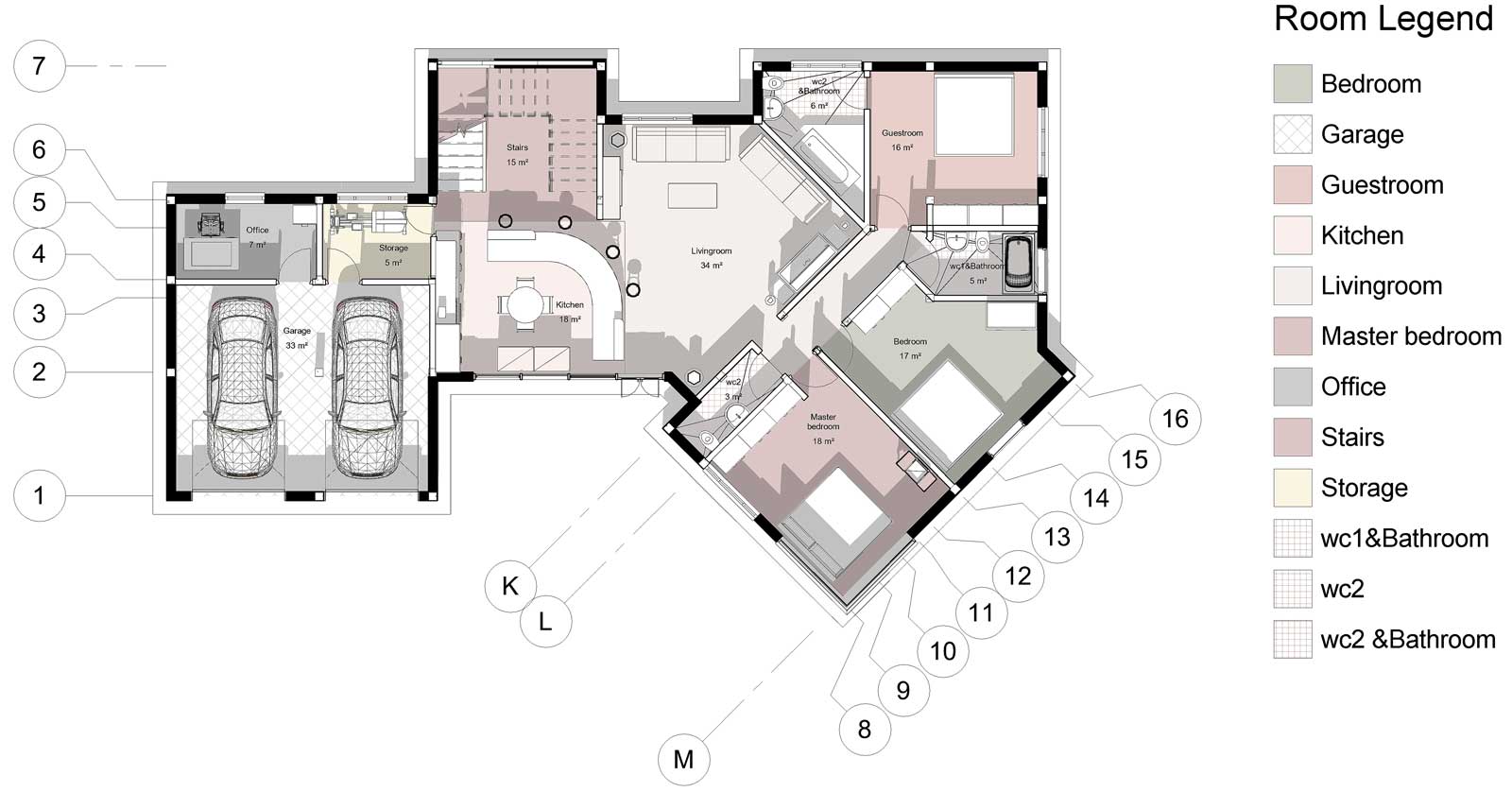
Embark on your Revit training journey, where you’ll professionally explore every facet of the Revit software. Starting with project initiation, you will have the unique opportunity to build a project from the ground up, making each learning session project-oriented. This term offers an intriguing blend of Revit mastery and hands-on project development. Additionally, you will seamlessly integrate with Phase Two, providing a holistic educational experience. Ultimately, you’ll delve into measurement, estimation, and the creation of a detailed project work breakdown structure, bringing your skills to life.
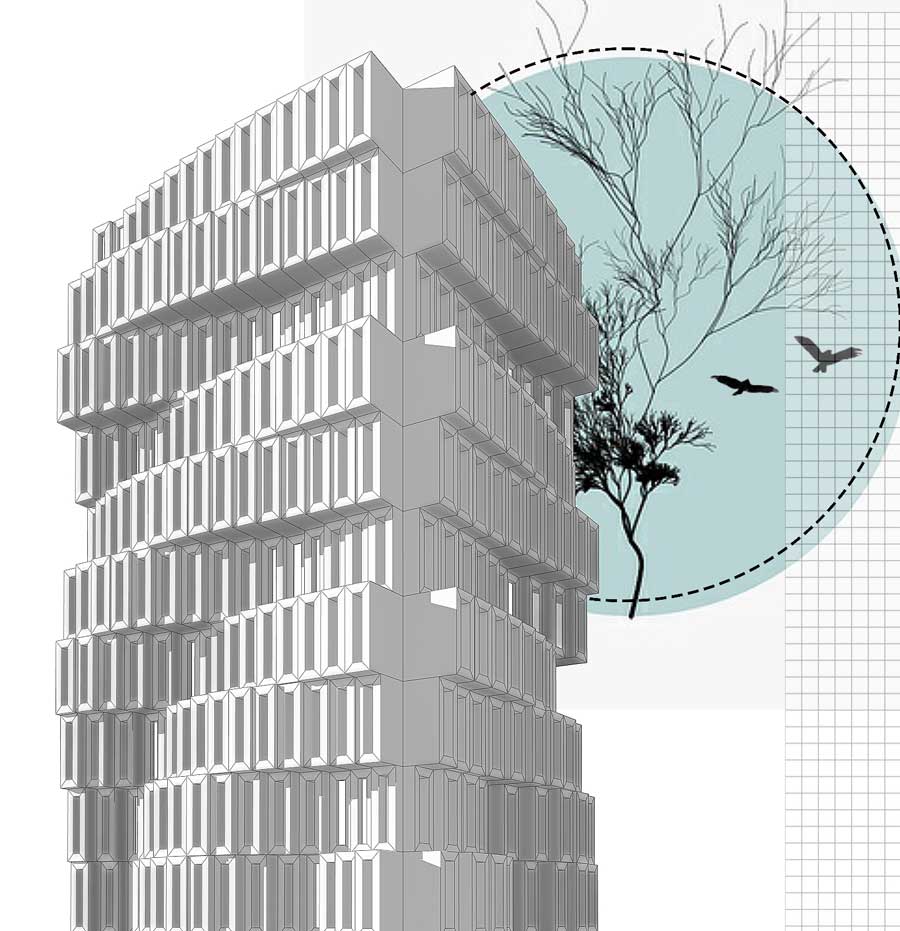
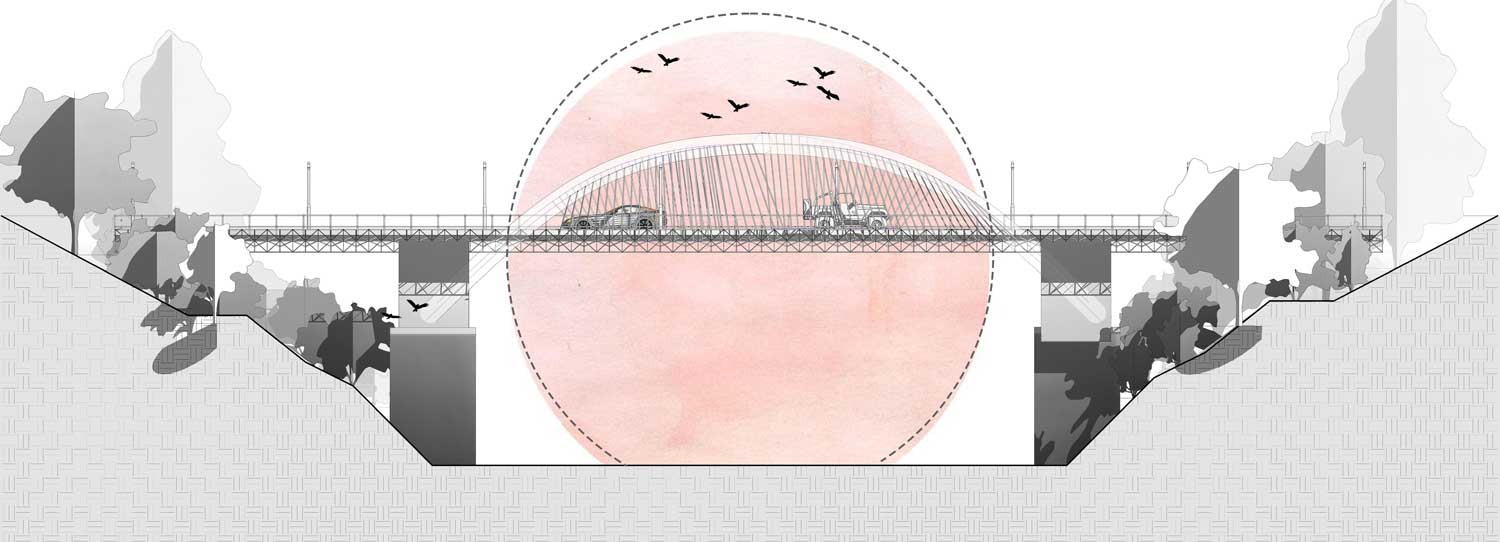
Some outputs of this term include:
Revit Second Semester
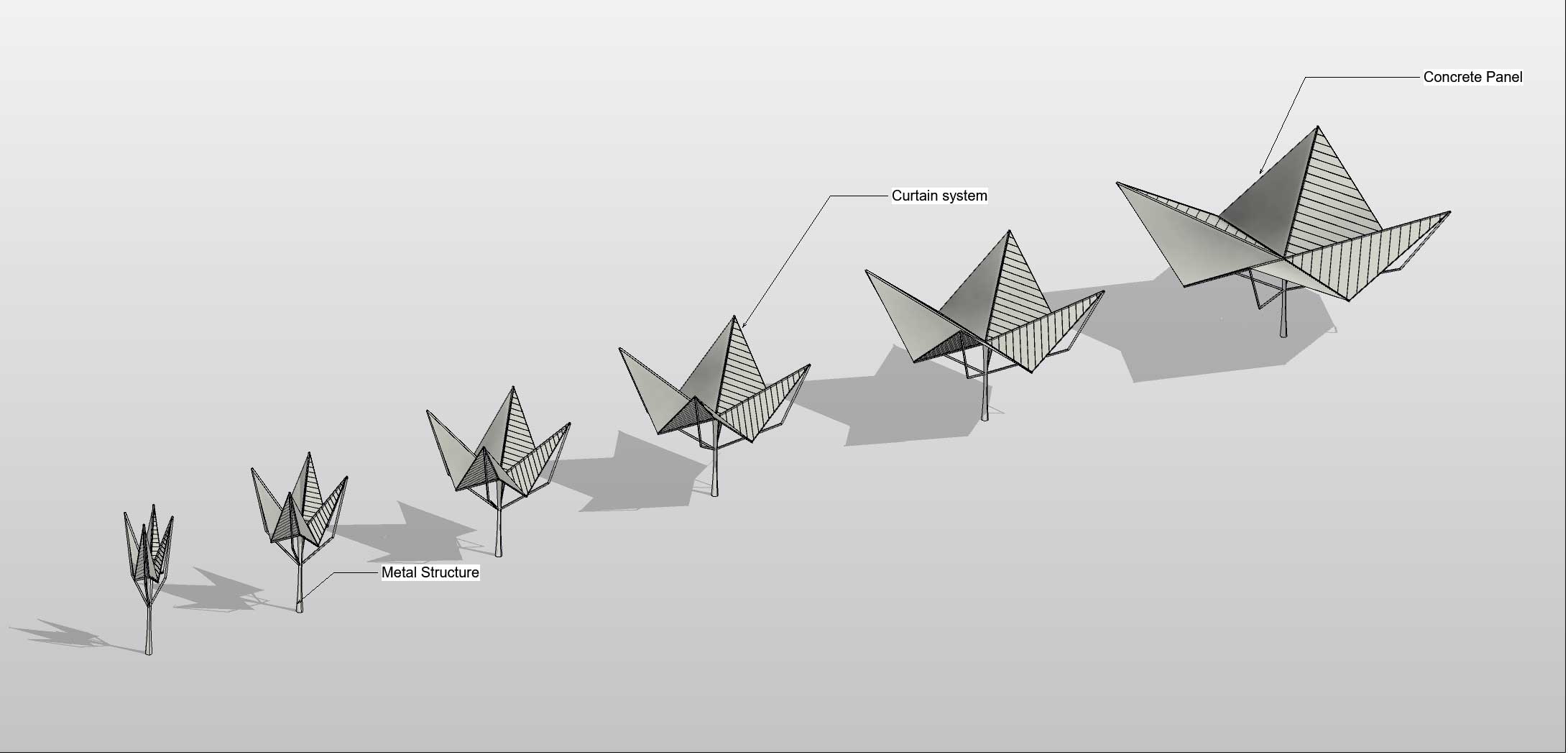
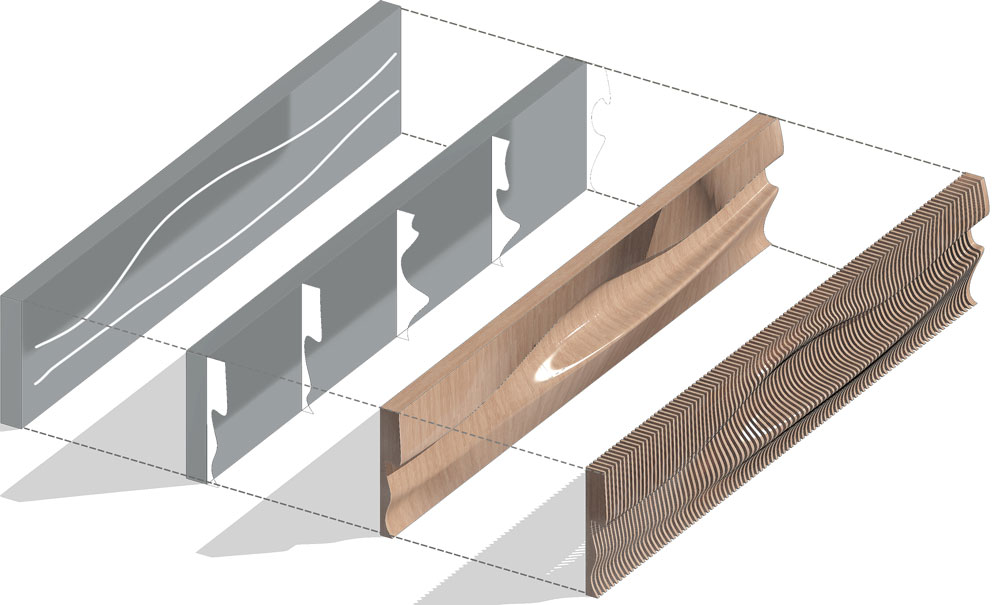
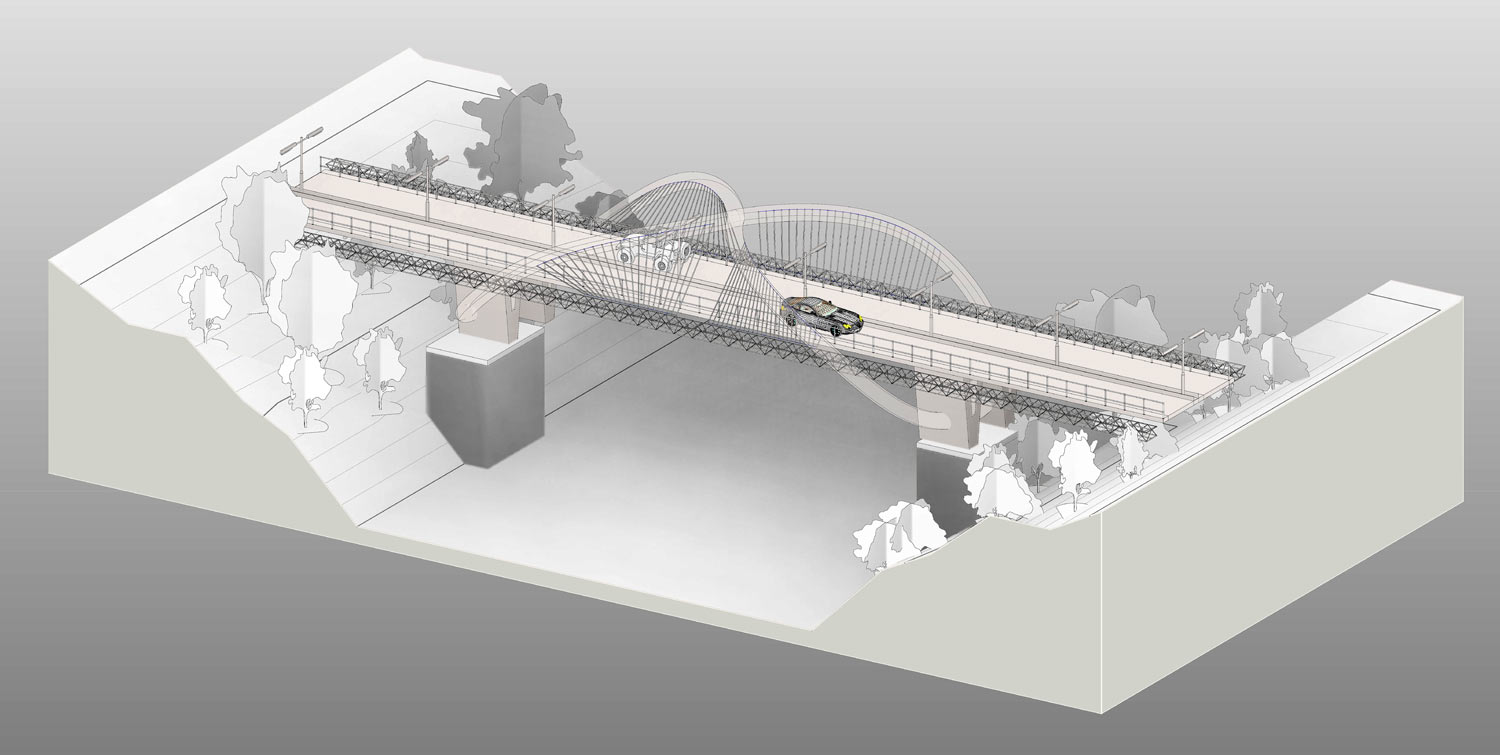
We endeavored to acquaint you with the concept of parameters and other advanced elements in Revit by thoroughly modeling several projects. The aim was to enhance your understanding of these concepts within the framework of project modeling. Throughout this term, we engaged in comprehensive modeling projects, employing advanced techniques to encapsulate a range of parameters. This included delving into the intricacies of Revit’s functionalities and leveraging its advanced features to create intricate and detailed models.
Some outputs of this term include: